

Furnace Installation & Replacement in Bellingham, MA
Gas and oil furnace installation and replacement for Bellingham and MetroWest — sized with a real heat-loss calculation, priced in writing, permits pulled.
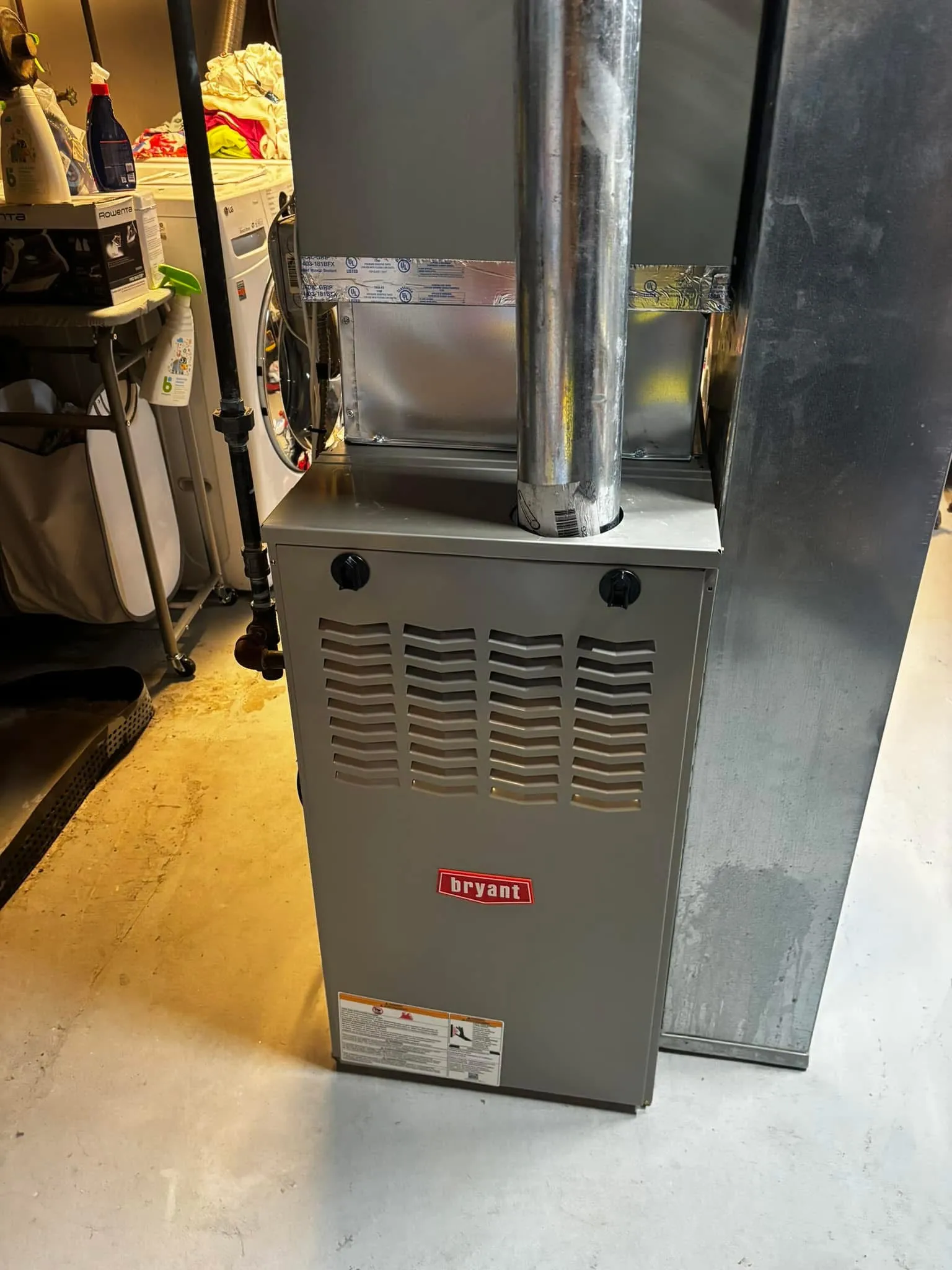
Hannon Heating & Air Conditioning installs and replaces gas and oil furnaces in Bellingham, MA and the MetroWest towns around it. We size the new furnace with a real heat-loss calculation, put the full price in writing before work starts, and pull the permits ourselves. Estimates on system replacements are free. We do this work in Franklin, Millis, and Plainville as well as Bellingham.
Sizing Is Most of the Job
Plenty of furnaces around here were sized by square footage, or by copying the label on the unit being hauled out. That is how a house ends up with a furnace that roars for five minutes, shuts off, and leaves the back bedrooms cold anyway. We run a heat-loss calculation instead: windows, insulation, air leakage, ceiling heights. A drafty 1950s ranch and a tight 2005 colonial with the same floor plan need very different furnaces. An oversized furnace short cycles, which wastes fuel and wears out igniters and blower motors; a right-sized one runs longer, quieter cycles and heats the whole house evenly.
80% or 95%-Plus? What Efficiency Buys You Here
The Massachusetts heating season runs from October into April, and that long season is the honest argument for high efficiency: a 95%-plus condensing furnace burns roughly fifteen percent less fuel than an 80% unit for the same heat, and the difference compounds over six months a year. The two also vent differently, which shapes the install. A condensing furnace vents through PVC pipe out the sidewall and drains condensate; an 80% furnace vents up the chimney. On oil, the efficiency spread between models is narrower — and if a gas main already runs down your street, it can be worth pricing an oil-to-gas conversion at the same time, since replacement is the cheap moment to switch. We put the options in the estimate and let you pick.
Weighing a replacement? The estimate is free.
Call (508) 282-1000 or request an estimate online — you get a written number before any work starts, and nobody gets pressured into a new system.
Chimney Work, Included in the Quote Up Front
A furnace replacement often touches the chimney, and it is the part of the job many quotes leave out. An 80% furnace venting into an older masonry chimney may need a stainless steel liner to draft safely. Sidewall-venting a new condensing furnace creates a different issue: a water heater that shared the old flue gets orphaned on a chimney now far too big for it, which invites condensation damage and weak draft, and it usually needs a liner of its own. We check the chimney during the estimate and write any liner work into the quote, so the number you approve is the number you pay.
What Replacement Day Looks Like
A straightforward furnace swap takes one day: old unit out in the morning, the new furnace set and connected, venting and fuel line hooked up, then fired, combustion-tested, and heating the house by evening. Jobs that add duct modifications or a chimney liner run longer, and we say so before we start. If your furnace has already quit in a cold snap, tell us when you call — a house with no heat gets scheduled differently. And if you are not sure the old furnace is actually done, start with furnace repair; when a fix is the smarter money, that is what we will tell you. Request a free replacement estimate and we will come measure the house.
Morning
Old unit out, the new furnace set and connected.
Hook-up
Venting and fuel line connected.
By evening
Fired, combustion-tested, and heating the house.
Frequently Asked Questions
How long will I be without heat during a furnace replacement?
Is a 95%+ high-efficiency furnace worth it in Massachusetts?
How do you figure out what size furnace my house needs?
Will replacing my furnace mean chimney work too?
Are there rebates or credits for a new furnace?
Ready for a Straight Quote?
Estimates on system replacements are free — a load calculation, honest options, and a written number before any work starts.
Mon-Fri 7am-5pm · Emergency Service Available